
Finding a Qualified Canine Ophthalmologist
My first eye certification attempt was a disaster because I went to the wrong veterinarian. I called my regular vet, asked about eye exams for breeding, and they said yes, they could do that. Two hundred dollars and an hour later, I had a general wellness exam with notes about conjunctivitis but nothing that any registry would accept.
The problem was that I did not understand the difference between a general veterinarian looking at eyes and a board-certified veterinary ophthalmologist performing a certification exam. They are completely different things. Your regular vet is perfectly capable of diagnosing and treating most eye problems, but they cannot issue certifications that registries like OFA will accept. And since certification requirements vary by breed, knowing who can legitimately perform the exam is the essential first step.
What Qualifies an Examiner
For OFA Eye Certification, the exam must be performed by a diplomate of the American College of Veterinary Ophthalmologists (ACVO) or the European College of Veterinary Ophthalmologists (ECVO). These are veterinarians who completed vet school, then did a residency in veterinary ophthalmology, then passed a rigorous board examination.
The credentials to look for are "DACVO" or "Diplomate ACVO" after their name. Sometimes you will see "MS" or "PhD" as well, but those indicate research degrees rather than clinical certification. The ACVO or ECVO designation is what matters for certification exams. Once you find a qualified examiner, understanding what happens during the exam helps you prepare.
General veterinarians cannot perform certification exams even if they have special interest in ophthalmology. Veterinarians completing ophthalmology residencies cannot perform them either until they pass their boards. The rules are strict because the whole point is standardized examinations by equally qualified professionals. Understanding when annual retests are needed helps you plan examinations throughout your dog's breeding career.
Required: DACVO (Diplomate, American College of Veterinary Ophthalmologists) or DECVO (European equivalent)
Optional but helpful: MS, PhD in related fields
Not sufficient alone: DVM, general practice experience, "interest in ophthalmology"
How to Find ACVO Diplomates
The ACVO maintains an online directory at acvo.org that lists all current diplomates by location. This is your primary resource. You can search by state or province and get a list of every qualified examiner in your area.
When I first started looking, back in the late 1990s, I had to call the ACVO office and request a printed list. Now the database is searchable in seconds. For those of us in the Pacific Northwest, the nearest options are typically in Portland, Seattle, or Spokane. Rural breeders in some states may need to drive several hours to reach a qualified examiner.
It is also worth noting that some ophthalmologists have particular expertise with interpreting DNA eye test results alongside clinical findings, which can be valuable when you are evaluating complex breeding decisions. Beyond the ACVO directory, I recommend:
- Ask your breed club. Most clubs maintain lists of ophthalmologists who have experience with breed-specific conditions. The Collie Club of America, for example, keeps track of ophthalmologists who understand Collie Eye Anomaly.
- Check with local kennel clubs. All-breed clubs often organize eye clinic events and can tell you which ophthalmologists work with them.
- Ask other breeders. Word of mouth is valuable. An ophthalmologist who is good with nervous dogs, efficient with large groups, or particularly thorough gets recommended around.
- Veterinary teaching hospitals. University vet schools usually have ophthalmology departments staffed by ACVO diplomates. Oregon State, Washington State, and UC Davis are the ones I am most familiar with in my region.
Clinic Events vs Private Appointments
You have two main options for getting exams: breed club clinic events or private appointments at an ophthalmology practice. Both are valid, but the experience and cost differ significantly.
Clinic Events
Many breed clubs, kennel clubs, and specialty groups organize eye clinic events at dog shows and specialties. An ACVO diplomate comes to a central location (often a dog show venue or training facility), and breeders line up to have multiple dogs examined in one session. These events are efficient and cost-effective.
Typical clinic event fees run $45-75 per dog, which is substantially less than private appointments. The tradeoff is less individual attention and longer wait times. At a busy clinic, you might wait two hours to be seen, and your actual exam might be six minutes of the ophthalmologist's time.
I have used clinic events for routine annual exams on dogs I know are healthy. They are fast, cheap, and get the job done. But when I need something more thorough, whether it is a questionable finding or a first exam on a young dog, I prefer private appointments.
Private Appointments
A private appointment at an ophthalmology practice gives you more time, more explanation, and a calmer environment. You schedule a specific time, wait in a regular veterinary waiting room, and have the ophthalmologist's full attention for your visit.
Private appointment fees typically run $75-125 for a certification exam, sometimes higher at specialty practices in major cities. The additional cost buys you the ability to ask questions, discuss findings in detail, and have any concerns addressed thoroughly.
Knowing the difference between OFA and the former CERF registry helps you understand what certifications mean. I always use private appointments for:
- First-time exams on young dogs entering the breeding program
- Follow-up exams when previous results were borderline
- Dogs that are nervous or reactive in busy environments
- Any situation where I want detailed discussion of findings
| Factor | Clinic Events | Private Appointments |
|---|---|---|
| Cost per dog | $45-75 | $75-125 |
| Wait time | 30 min - 2+ hours | Minimal (scheduled) |
| Exam duration | 5-10 minutes | 15-25 minutes |
| Discussion time | Limited | Extensive |
| Environment | Busy, many dogs | Calm, controlled |
| Availability | Scheduled events only | Year-round |
The Ophthalmologist I Use
For the past twelve years, I have primarily used Dr. Sarah Chen at Cascade Veterinary Ophthalmology in Portland. She has handled everything from routine annuals to a complicated cataract case on one of my foundation bitches. She understands Collies, explains everything clearly, and her staff is wonderful at scheduling.
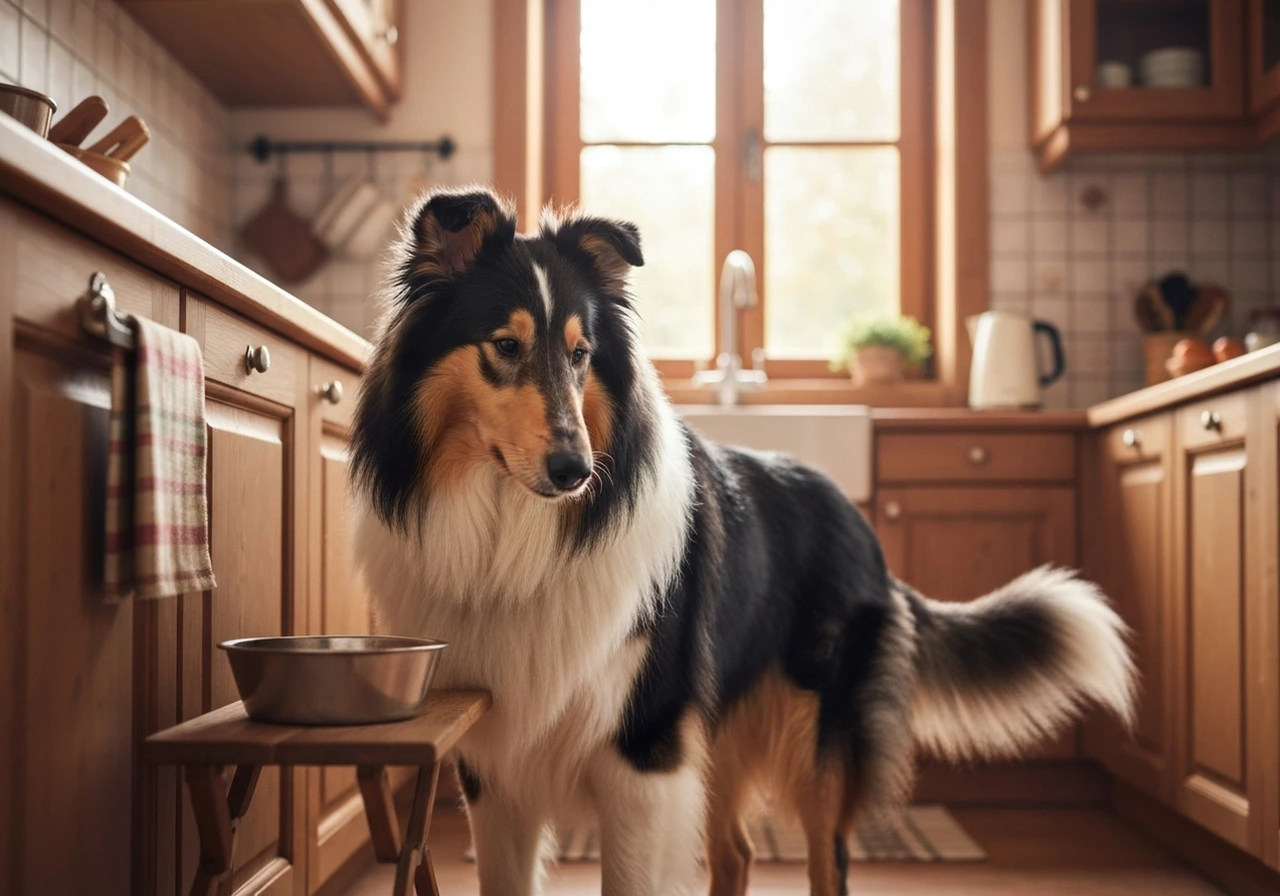
Before Dr. Chen, I used the ophthalmology service at Oregon State University's veterinary hospital. They were excellent but the scheduling was harder because of teaching rotations. Students observed during some exams, which I actually appreciated because training the next generation matters, but it added time.
I have also attended clinic events run by the Willamette Valley Collie Club using visiting ophthalmologists. Those are convenient when I have multiple dogs to exam and nothing complicated to discuss. The quality is consistent because all ACVO diplomates follow the same protocols.
Build a relationship with one ophthalmologist when possible. They learn your dogs, your breeding goals, and your concerns. When something unusual shows up, they have context. Dr. Chen has seen my dogs' eyes for over a decade now. She noticed a subtle change in Sterling's lens last year that I am confident a first-time examiner would have missed.
Questions to Ask Before Scheduling
Whether you are booking a clinic event or private appointment, ask these questions:
- Is the examiner an ACVO diplomate? Verify this is a certification exam, not a general eye check.
- Which forms do you use? They should use the OFA Eye Certification Examination form. Some older practices may still have CERF forms lying around.
- Do you submit to OFA directly or do I mail the form? Either way works, but know what to expect.
- What is the cost? Get the full price including any facility fees.
- Do you dilate pupils? They should. Complete examination requires dilation.
- How long should I expect to wait after dilation before the exam? Usually 20-30 minutes for drops to take effect.
- Do you have experience with my breed? Especially important for breeds with specific conditions like CEA in Collies.
Traveling for Exams
Many breeders, especially in rural areas, need to travel for certification exams. If the nearest qualified examiner is two hours away, you have a few options.
First, check if any clinic events come closer to you. Breed clubs sometimes organize events in locations convenient for members, and an ophthalmologist may travel to those events. The Collie Club of America's regional specialties often include eye clinics.
Second, combine trips when possible. If you have multiple dogs needing exams, do them all on the same day. If you have puppies going to new homes in the area where the ophthalmologist practices, schedule their puppy exams around pickup dates.
Third, consider whether the trip is worth it for your program. Driving four hours round trip for a $50 exam makes less sense financially than a $100 private appointment would if one were closer. But if the nearest qualified examiner is four hours away regardless, clinic events at least save money on exam fees.
What Happens If You Cannot Find Anyone
In some very rural areas, the nearest ACVO diplomate may be prohibitively far. If this is your situation, you have a few options:
- Major dog shows: Larger shows often have eye clinic events in conjunction. AKC National Championship, Westminster, and breed-specific national specialties frequently offer certification clinics.
- Veterinary schools: Even if there is not a private practice nearby, the nearest vet school with an ophthalmology program can help.
- Traveling ophthalmologists: Some ACVO diplomates travel to underserved areas periodically. Ask breed clubs and local kennel clubs if they know of anyone who covers your region.
- Planned trips: If you travel for shows, breeding visits, or puppy deliveries, research ophthalmologists in those areas and schedule around your trips.
What you cannot do is skip the exam or use an unqualified examiner. I know breeders who have tried to pass off general vet exams as equivalent. Registries reject them, and knowledgeable puppy buyers will notice the missing OFA numbers. Do it right or do not claim you have done it at all.
Red Flags to Avoid
Over the years, I have heard of some problematic situations that should warn you away:
- Veterinarians claiming they can do certification exams without ACVO credentials. They cannot. No exceptions.
- Ophthalmologists who do not dilate pupils. A proper exam requires dilation. Non-dilated exams miss too much.
- Examiners who pass every dog regardless of findings. If someone has a reputation for never finding anything wrong, their exams are worthless.
- Practices that refuse to explain findings. You have a right to understand what they saw.
- Anyone offering to issue certifications without examining the dog. This is fraud and happens more than you would think.
I have encountered at least two situations where breeders were offered fake certifications. In one case, a "vet" at a parking lot event was willing to sign forms for dogs he never examined. Always verify the examiner's credentials and ensure they actually perform the exam.
Bottom Line
Finding a qualified ophthalmologist is straightforward once you understand what credentials matter. Use the ACVO directory, ask your breed club, and verify the examiner is an actual ACVO diplomate before booking. Once you find someone good, stick with them when possible because continuity helps catch subtle changes over time.
The extra effort to find the right examiner is worth it. A proper eye exam protects your breeding program, your puppy buyers, and the dogs themselves.